


Preserving Historic Interiors: Essential Techniques for Timeless Design

When you step inside a historic building, you feel the stories embedded in its walls. Preserving these interiors is more than just maintaining old structures. It’s about honoring craftsmanship, culture, and character. I’m excited to share practical ways to keep these spaces alive and vibrant while blending luxury and modern comfort.
Preserving Historic Interiors with Care and Style
Preserving historic interiors means respecting original materials and design while updating spaces for today’s use. It’s a delicate balance. You want to keep the charm but also ensure functionality and safety. Start by assessing the condition of key features like woodwork, plaster, flooring, and decorative elements.
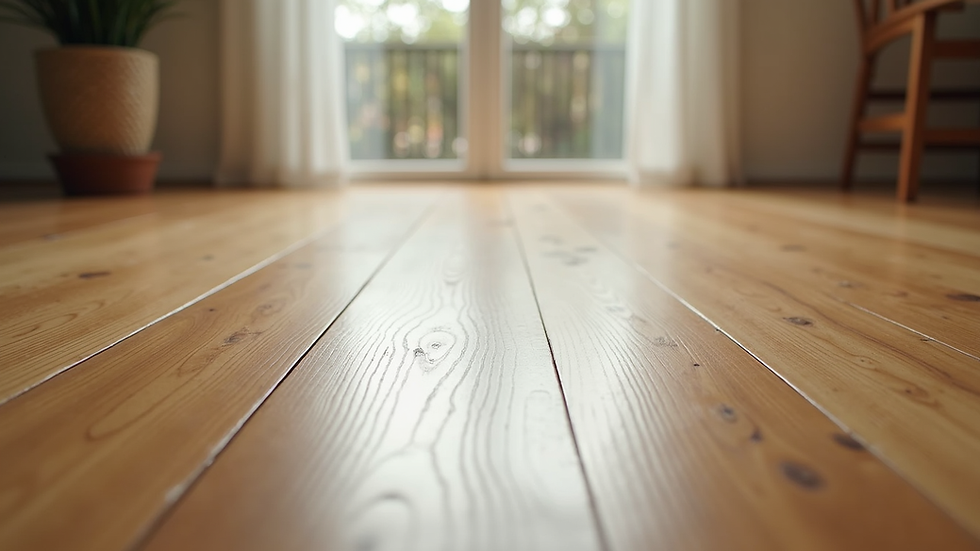
For example, original hardwood floors often tell a story through their grain and wear. Instead of replacing them, consider gentle sanding and refinishing to bring out their natural beauty. Similarly, plaster walls can be repaired with traditional lime-based materials rather than modern drywall patches. This approach keeps the texture and breathability intact.
Lighting also plays a big role. Antique fixtures can be rewired to meet current electrical codes without losing their vintage appeal. Adding subtle, modern lighting can highlight architectural details without overpowering the historic ambiance.
What are the ways to preserve heritage?
Preserving heritage in interiors involves several key strategies. Here are some effective ways to protect and enhance historic spaces:
Documentation and Research
Before any work begins, document the existing conditions. Take photos, notes, and measurements. Research the building’s history to understand its original design intent and materials.
Use Authentic Materials
Whenever possible, use materials that match the original. This includes wood species, plaster types, paint colors, and hardware. Authenticity maintains the building’s integrity.
Conservation over Replacement
Repair damaged elements rather than replacing them. For example, patch cracks in plaster or consolidate fragile wood instead of installing new panels.
Reversible Interventions
Choose methods that can be undone in the future without harming the original fabric. This is important for maintaining long-term preservation options.
Skilled Craftsmanship
Work with artisans experienced in historic techniques. Their expertise ensures repairs and restorations honor traditional methods.
Integrate Modern Systems Thoughtfully
Upgrade HVAC, plumbing, and electrical systems in ways that minimize impact on historic features. Conceal new elements behind walls or under floors when possible.
Maintain Regular Care
Ongoing maintenance prevents small issues from becoming major problems. Clean surfaces gently and inspect for signs of wear or damage regularly.
These steps help keep heritage alive while allowing spaces to function beautifully today.
Restoring Architectural Details with Precision
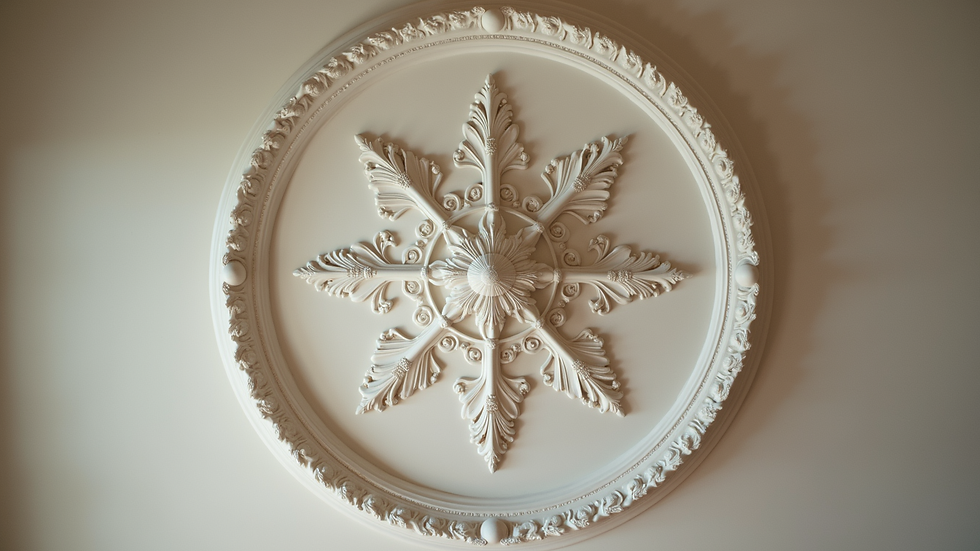
Architectural details like moldings, ceiling medallions, and built-in cabinetry define historic interiors. Restoring these features requires patience and precision. Start by cleaning surfaces with gentle, non-abrasive methods to reveal original colors and textures.
If details are missing or severely damaged, consider custom replication. Skilled woodworkers and plaster artisans can recreate intricate patterns using traditional tools and materials. This approach preserves the visual continuity of the space.
Paint analysis is another valuable tool. It helps identify original color schemes and finishes, guiding accurate restoration. Using historically appropriate paints enhances authenticity and visual harmony.
Incorporating Modern Comfort Without Compromise
One challenge in preserving historic interiors is adding modern comforts without compromising character. Here are some tips to achieve this:
Invisible Technology: Use wireless systems and compact devices to reduce wiring and bulky equipment.
Climate Control: Install discreet HVAC units or use underfloor heating to maintain comfort without visible impact.
Furniture and Decor: Choose pieces that complement the historic style but offer modern ergonomics and materials.
Window Treatments: Use period-appropriate curtains or shutters that also improve insulation and light control.
By thoughtfully integrating these elements, you create a space that feels both timeless and livable.
Embracing historic preservation techniques for Lasting Impact
Using proven historic preservation techniques ensures your project respects the past while preparing for the future. These methods emphasize minimal intervention, reversibility, and respect for original materials.
For example, when dealing with old wood windows, repair sash cords and reglaze panes instead of replacing the entire window. This saves character and reduces waste. Similarly, cleaning masonry with gentle methods prevents damage to historic bricks and mortar.
Preservation is a journey, not a one-time fix. It requires ongoing attention and care. But the reward is a space that tells a story, connects generations, and stands as a testament to craftsmanship and culture.
Bringing It All Together: Your Path to Timeless Interiors
Preserving historic interiors is a rewarding endeavor. It combines respect for history with the joy of creating beautiful, functional spaces. Whether you’re restoring a grand mansion or a boutique hotel, these techniques help you honor the past while embracing the present.
Remember to:
Start with thorough research and documentation.
Prioritize repair and conservation over replacement.
Use authentic materials and skilled artisans.
Integrate modern systems discreetly.
Maintain regular care to protect your investment.
With these steps, you create interiors that are not only luxurious but also rich in heritage and character. The result is a timeless space that welcomes you and your guests with warmth and history.
Preserving historic interiors is more than a project - it’s a passion. Dive in with care and enthusiasm, and watch your space come alive with stories and style.

Comments