


Essential Historic Preservation Essentials Explained

Preserving historic buildings and sites is more than just saving old structures. It’s about protecting stories, culture, and craftsmanship that define our communities. When done right, historic preservation adds character and value to any property. I’m excited to share some essential historic preservation essentials that help keep these treasures alive for future generations.
Understanding Historic Preservation Essentials
Historic preservation involves careful planning and skilled work. It’s not just about fixing what’s broken but respecting the original design and materials. This approach ensures that the building’s history remains visible and authentic.
One key aspect is assessment. Before any work begins, experts evaluate the condition of the structure. They identify what needs repair, what can be restored, and what should be replaced. This step helps avoid unnecessary changes that could harm the building’s integrity.
Another important element is documentation. Recording the building’s current state through photos, drawings, and written descriptions creates a reference for future work. It also helps in understanding the building’s evolution over time.
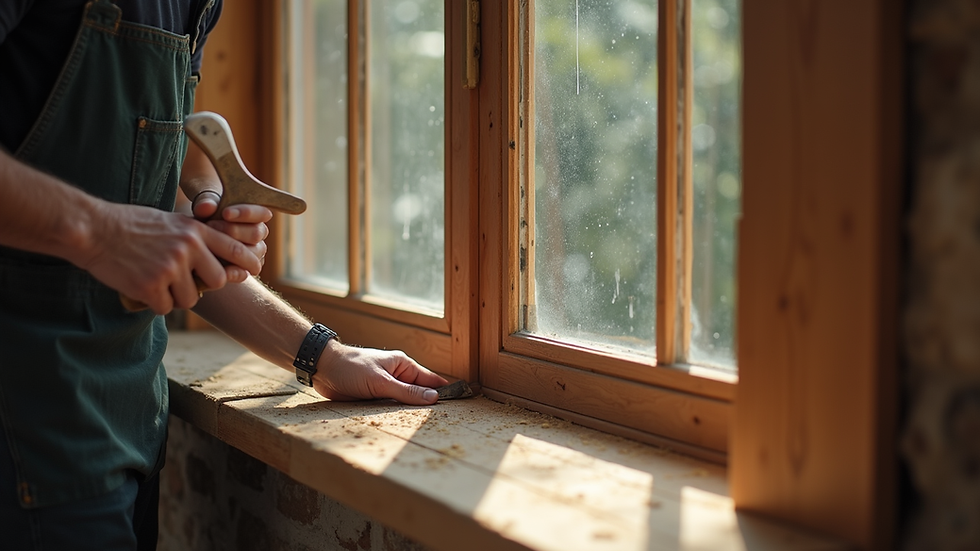
Using traditional materials and methods is crucial. For example, if a historic home has wooden windows, replacing them with modern vinyl ones would detract from its character. Instead, craftsmen repair or replicate the original wood windows using period-appropriate techniques.
Finally, ongoing maintenance is essential. Historic buildings need regular care to prevent deterioration. Simple actions like cleaning gutters, checking for leaks, and repainting with the right materials can extend a building’s life significantly.
What are the ways to preserve heritage?
Preserving heritage involves a variety of methods tailored to the specific needs of each site. Here are some of the most effective ways:
Adaptive Reuse
This technique gives old buildings new life by repurposing them for modern use. For example, converting a historic warehouse into luxury apartments or a boutique hotel. Adaptive reuse keeps the exterior intact while updating the interior for today’s needs.
Restoration
Restoration focuses on returning a building to a specific period in its history. This might mean removing later additions or repairing original features. It requires detailed research to ensure accuracy.
Rehabilitation
Rehabilitation allows for more flexibility than restoration. It involves repairing and upgrading a building so it can serve a new function while preserving significant historical features.
Preservation
This method emphasizes protecting and maintaining a building in its current state. It often involves routine maintenance and minor repairs to prevent further decay.
Reconstruction
Reconstruction recreates a building or part of it that no longer exists, based on historical evidence. This is less common but useful when a structure has been lost due to disaster or neglect.
Each of these ways plays a role in keeping heritage alive. Choosing the right approach depends on the building’s condition, historical significance, and intended use.
Key Materials and Tools in Historic Preservation
Using the right materials and tools is vital for successful preservation. Modern substitutes often don’t match the durability or appearance of original materials. Here’s what I recommend focusing on:
Masonry: Historic brick and stone require special mortars that allow for breathability and flexibility. Portland cement, common in modern construction, can damage old masonry by trapping moisture.
Wood: Old-growth wood is denser and more durable than most new lumber. When replacing wood, try to source reclaimed or similar species. Use traditional joinery and finishes to maintain authenticity.
Plaster: Many historic interiors feature plaster walls and ceilings. Repairing plaster involves using lime-based materials rather than gypsum, which can crack and fail over time.
Paint: Choose breathable, natural paints like limewash or milk paint. These allow moisture to escape and prevent peeling.
Tools: Hand tools such as chisels, scrapers, and brushes are often better for delicate work than power tools. They help avoid damage to fragile surfaces.
Using these materials and tools correctly ensures that repairs blend seamlessly with the original construction and last for decades.

How to Approach a Historic Preservation Project
Starting a preservation project can feel overwhelming, but breaking it down into clear steps makes it manageable:
Research and Documentation
Gather as much information as possible about the building’s history, architecture, and previous work. This helps guide decisions and avoid mistakes.
Condition Assessment
Hire a professional to inspect the building thoroughly. Identify structural issues, material decay, and any hazards.
Planning and Design
Develop a plan that respects the building’s character while meeting your goals. This may involve architects, preservationists, and contractors experienced in historic work.
Permits and Approvals
Check local regulations and historic district guidelines. You may need special permits or approvals before starting work.
Careful Execution
Use skilled craftsmen familiar with historic techniques. Monitor the work closely to ensure quality and adherence to the plan.
Maintenance Plan
After completion, establish a routine maintenance schedule. This keeps the building in good shape and prevents costly repairs later.
By following these steps, you can protect your investment and honor the building’s legacy.
Why Historic Preservation Matters Today
Historic preservation is more than nostalgia. It offers real benefits for communities and property owners alike:
Cultural Identity: Preserved buildings tell stories about our past. They connect us to the people and events that shaped our world.
Sustainability: Reusing existing structures reduces waste and the need for new materials. It’s an eco-friendly choice.
Economic Value: Historic properties often increase in value over time. They attract tourism and business, boosting local economies.
Aesthetic Appeal: Unique architectural details and craftsmanship add beauty and character that new construction often lacks.
Community Pride: Preserved landmarks foster a sense of pride and belonging among residents.
Embracing historic preservation techniques helps us create vibrant, meaningful spaces that honor history while serving modern needs.
If you want to dive deeper into historic preservation techniques, I encourage you to explore resources from trusted preservation organizations. They offer valuable guidance and case studies to inspire your project.
Taking the Next Step in Preservation
Preserving historic buildings is a rewarding journey. Whether you’re restoring a family home or developing a luxury hotel, applying these essential historic preservation essentials ensures success. Remember to respect the past, plan carefully, and use the right materials and methods.
If you’re ready to start your preservation project, consider consulting with experts who specialize in historic properties. Their knowledge can save you time, money, and headaches.
Together, we can keep history alive and create spaces that inspire for generations to come.

Comments